
Best Luggage Tags to Prevent Theft & Mix-Ups at Airports
Best Luggage Tags to Prevent Theft & Mix-Ups at Airports
The last thing you want when you're racing through a crowded airport is to see someone else take your bag or, worse, discover that it never arrived at your destination. Millions of luggage are mishandled, delayed, or wrongly claimed by other travelers each year. The easiest answer? A trustworthy luggage tag. Throughout your trip, this tiny but vital travel gear is necessary to keeping your possessions secure, recognizable, and under your control.
Knowing how luggage tags operate and why they are important can help you avoid needless worry and possible loss, regardless of whether you are a frequent traveler or organizing your first overseas vacation.
What Are Luggage Tags and Why They Matter
Identification labels known as luggage tags are affixed to travel bags, backpacks, and suitcases. Usually, they show the owner's name, contact data, and occasionally information about the destination. When baggage is checked at airports, put aboard aircraft, or transported on baggage carousels, these tags are the main means of identification.
Baggage tags offer a visible claim of ownership in addition to basic identification. A unique identifier can mean the difference between a seamless arrival and a tiresome hunt through lost-and-found offices when your suitcase on a conveyor belt looks exactly like dozens of others. Although airlines trace baggage through their systems using temporary airport luggage tags with barcodes, personal tags provide an extra degree of protection that follows your luggage the whole way.
How Luggage Tags Help Prevent Airport Theft
Visible identification through luggage tags serves as a strong barrier against both intentional theft and inadvertent bag swaps, even though the majority of bag mix-ups at airports are unintentional. Opportunistic people who might otherwise claim an unmarked suitcase find your luggage far less appealing when ownership information is plainly displayed.
Visible Identification vs Anonymous Luggage
Think about a baggage carousel with two identical black suitcases. One has a name that is prominently displayed on a colorful, personalized luggage tag. The other is completely unidentified from the outside. What bag would someone accidentally—or purposely—grab? The solution is clear.
Confusion and opportunity are created by anonymous luggage. Travelers frequently make snap decisions and seize luggage that resemble theirs in the absence of obvious ownership marks. However, it takes intentional action to make a false claim on tagged luggage. The practical capacity to swiftly confirm ownership along with this psychological barrier greatly lowers the number of theft cases.
How Luggage Tags Prevent Baggage Mix-Ups
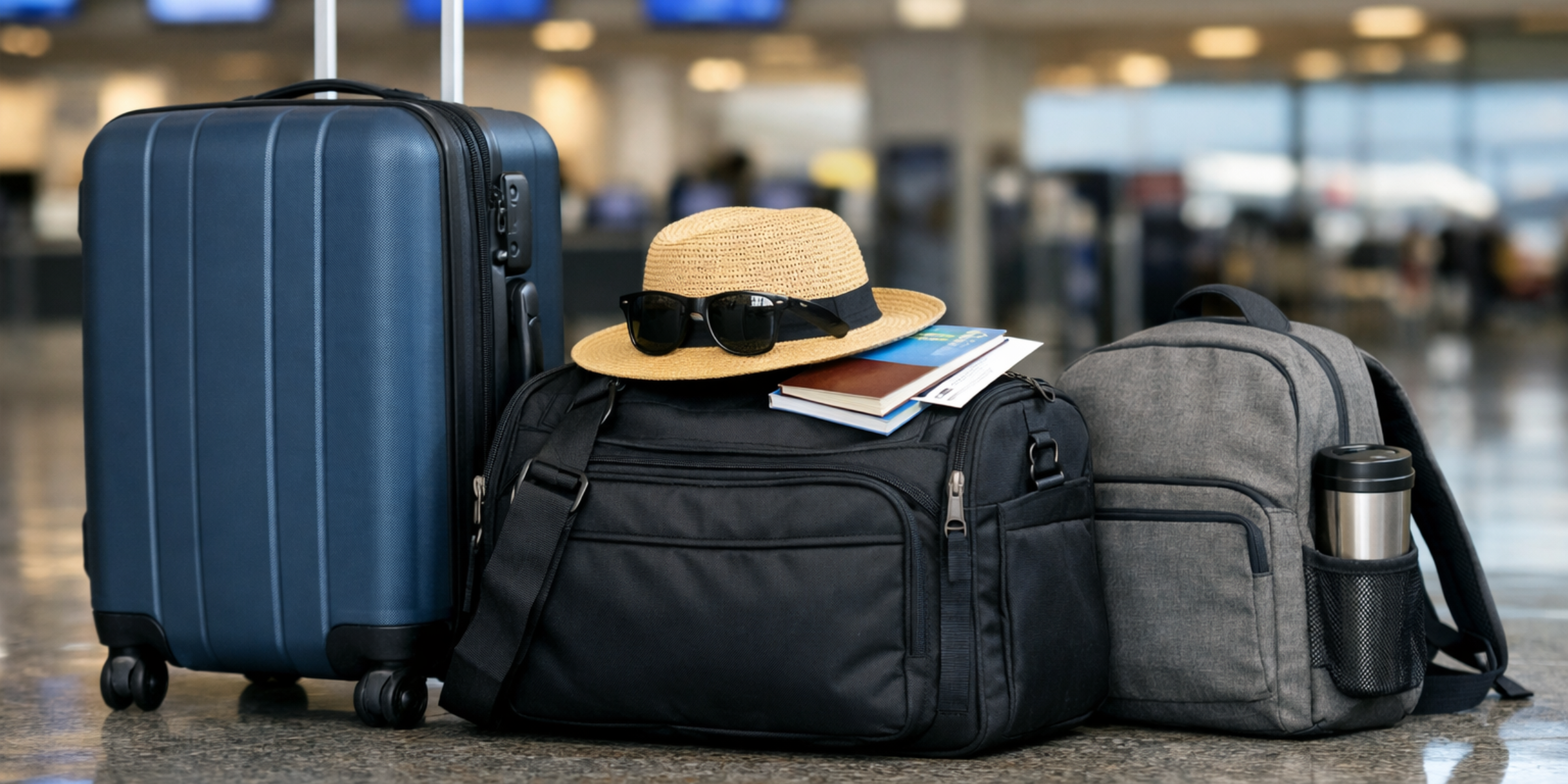
At crowded airports, where hundreds of bags with similar appearances pass through every hour, baggage mix-ups are common. Gray duffel bags, navy backpacks, and black rolling suitcases all fit together. When travelers are weary, harried, or distracted, they may grab the wrong luggage without realizing their error until they're miles away from the airport.
This misunderstanding is removed by luggage tags, which offer immediate visual confirmation. Travelers can easily verify ownership by looking at the tag before grabbing a luggage. By taking this easy step, you can avoid the cascading delays and issues that arise when someone takes the wrong luggage, forcing another traveler to look for theirs.
Importance of Unique Luggage Tag Design
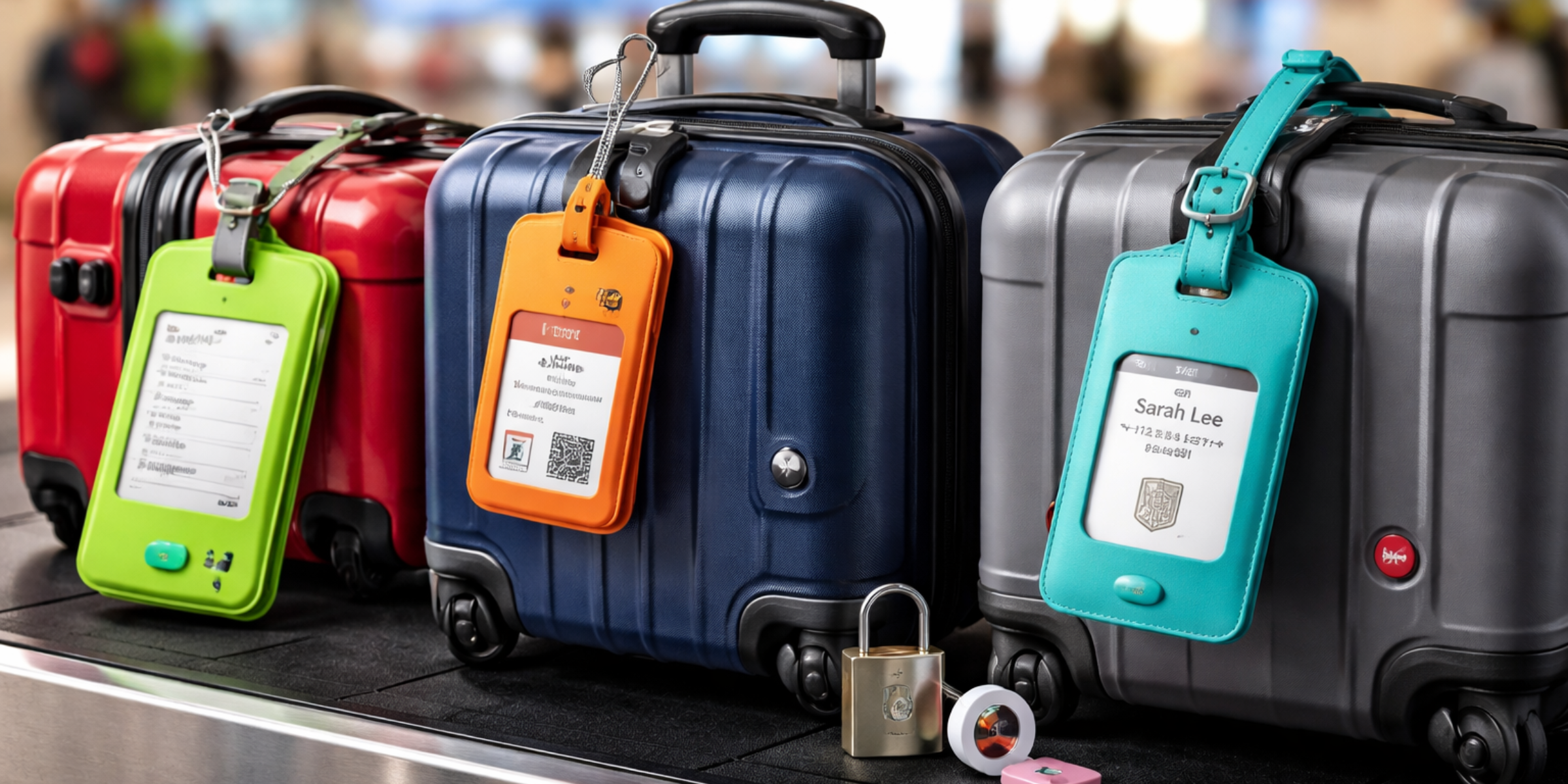
Beyond simple utility, a distinctive luggage tag design makes your bag clearly identifiable. In a sea of identical bags, your luggage will stand out thanks to bright colors, strange shapes, unique patterns, or personalised luggage tags with images or unique artwork.
Consider your baggage tag to be the fingerprint of your bag. Your belongings will be simpler to find from across a congested baggage claim area if they are more distinctive. This visual cue significantly lessens the possibility of unintentional selection by letting other travelers know that the luggage is clearly owned and marked.
Types of Luggage Tags Used at Airports
Airport Luggage Tags (Airline-Issued)
Airline employees affix airport luggage tags bearing barcodes and routing details when you check a suitcase. By tracking your luggage through the airline's baggage handling system, these temporary tags help make sure it gets to the right place and takes the right flight.
However, there are restrictions on tags given by airlines. Because of their single-journey design, they frequently rip, fall off, or sustain damage when handled. These tags expire at the conclusion of your trip, making your bag unidentifiable for subsequent travels. When you only use airline tags, you begin every trip without a permanent identity.
Personal Luggage Tags for Frequent Travelers
Personal luggage tags that may be reused offer long-lasting identification that last through several journeys. These long-lasting tags, in contrast to transient airline tags, stay affixed to your luggage year after year, providing reliable identification regardless of the airline or route you choose.
Sturdy personal tags are especially useful for frequent travelers because they eliminate the need to update identity information on a regular basis. Once fastened, these tags offer trustworthy identification for every travel, whether domestic and foreign.
Custom & Personalised Luggage Tags
By adding distinctive design features, names, images, or distinctive branding, custom luggage tags and personalised luggage tags elevate identification. In addition to enhancing identification, these tags give luggage a unique touch that makes it instantly identifiable.
Monogrammed leather tags and colorful printed designs with your favorite hues, patterns, or pictures are just a couple of the customization options. When families travel together, matching custom luggage tags with distinct colors or numbers make it easier to identify comparable baggage that belong to various family members.
Luggage Tag Size and Material Guide
Standard Luggage Tag Size for Travel
The standard luggage tag size is between 4 and 6 centimeters wide and 7 to 11 centimeters long. This specified size ensures tags are large enough to display vital information clearly while being tiny enough to avoid snagging on conveyor belts or other bags.
Although oversized tags could appear more noticeable, handling them increases the possibility of harm or detachment. On the other hand, undersized tags could not provide enough room for readable contact details. The standard size achieves the best possible balance between usefulness and visibility.
Plastic, Leather & Metal Luggage Tags Compared
Water resistance, affordability, and lightweight durability are all advantages of plastic tags. Although they can endure normal airport abuse and are perfect for casual travelers, prolonged use may cause them to fade or crack.
Leather tags offer superior durability and a high-end look. They age nicely, creating character over time, and withstand tearing better than plastic. Leather tags, however, are more expensive initially and need to be maintained sometimes.
Maximum durability and a refined appearance are provided by metal tags. They endure indefinitely with little maintenance and are resistant to harm from hard handling. They are preferred by frequent flyers and business travelers who value lifespan despite the trade-off of increased weight and higher cost.
What to Write on a Luggage Tag
What Info Should Be on a Luggage Tag
It is necessary to include your complete name, email address, and mobile number on luggage tags. These three components safeguard your privacy while offering adequate identity. When traveling abroad, some passengers include their city and countries, which facilitates cross-border luggage reunification.
Ensure handwriting is clear and legible, or utilize printed labels for professional appearance. To avoid being casually observed by outsiders, write information on the protected inside side of your tag if it includes a privacy flap.
What Not to Write on Luggage Tags
Don't be sure to include your entire home address because it tells potential burglars that your house is empty. In a similar vein, avoid disclosing your flight information, dates of trip, or hotel data since these can lead to security flaws.
Excessive personal data raises privacy concerns and has no useful use. Addresses and comprehensive itineraries are not necessary because airlines and airport personnel can reach you by phone or email if necessary.
How to Attach a Luggage Tag Correctly
How to Loop a Luggage Tag Securely
When your tag is properly attached, it will remain attached during your trip. Make a slip knot by passing the tag through the loop after passing the tag through the handle of your suitcase. Make sure there are no loose parts left that could snag or catch by pulling firmly to tighten the connection.
Before securing, completely wrap the strap over the handle of any tags that have buckles or snap fasteners. Verify again that the connection is secure and won't come loose while being handled. Always attach tags to primary handles or built-in luggage loops because tags connected to decorative straps or external zippers frequently come off easily.
Luggage Tag Design Tips for Easy Identification
Choosing Colors, Fonts & Icons for Visibility
Choose vivid, striking hues that stand out from the color of your luggage. Select tags that are bright orange, neon yellow, or hot pink if your bag is black. Deep blues, reds, or blacks offer powerful contrast for lighter bags.
For text material, use large, readable fonts; stay away from ornamental scripts that are difficult to read from a distance. Think of including straightforward iconography or symbols, such stars, stripes, or geometric patterns, that produce rapid visual recognition. The objective is to quickly identify your bag from a busy baggage claim area.
Luggage Tags in Pakistan – What Travelers Should Know
Common Luggage Tag Styles Used by Pakistani Travelers
The significance of luggage tags pakistan for both domestic and international travel is becoming more and more apparent to Pakistani tourists. Millions of passengers pass through major airports in Karachi, Lahore, and Islamabad each year, making unique luggage identification crucial for hassle-free travel.
Many Pakistani tourists, especially those who travel frequently for work or to see relatives overseas, favor sturdy leather or metal tags that can tolerate rough treatment. Urdu calligraphy, Pakistani flag patterns, and religious symbols are common design choices that clearly identify while reflecting cultural identity.
Luggage Tag Comparison Chart
Luggage Tag Types vs Durability & Visibility
|
Tag Type |
Durability |
Visibility |
Best For |
|
Plastic |
Good |
High |
Budget travelers, short trips |
|
Leather |
Excellent |
Medium |
Frequent flyers, premium appearance |
|
Metal |
Outstanding |
Medium-High |
Business travelers, long-term use |
|
Silicone |
Very Good |
High |
Active travelers, outdoor trips |
|
Paper/Card |
Poor |
Low |
Single-use, temporary identification |
Common Mistakes Travelers Make with Luggage Tags
Using Weak Loops or Low-Quality Materials
A lot of tourists buy cheap luggage tags with flimsy plastic loops or flimsy straps for attaching. These parts break down when checked baggage is handled roughly, which results in bags going missing in the middle of the trip.
Failing to update contact details after altering phone numbers or email addresses is another frequent mistake. When airlines try to reunite lost luggage with owners, outdated tags become worthless. By regularly verifying tag information, this readily preventable issue is avoided.
Choosing the Right Luggage Tag for Your Travel Style
Choose a luggage tag based on the frequency and requirements of your travels. Affordable plastic or silicone tags that offer sufficient protection for yearly excursions could be preferred by occasional vacationers. Purchasing high-quality leather or metal tags that portray professionalism and endure frequent use is advantageous for frequent business trips.
To facilitate speedy identification and avoid luggage confusion, families may think about using color-coded or numbered systems for several bags. Weatherproof choices that withstand harsh conditions may be preferred by adventure travelers who are visiting numerous nations.
Explore Travel Accessories & Luggage Essentials
Find Luggage Tags and Travel Accessories in Pakistan
High-quality luggage tags are only one part of thorough travel planning. Examining a whole collection of luggage tags helps guarantee that you have everything you need for safe, well-planned travel. Having the appropriate equipment, from sturdy tags to complimentary travel luggage accessories, turns otherwise tense trips into enjoyable ones.
Frequently Asked Questions About Luggage Tags
What to Write on a Luggage Tag?
Put your email address, mobile number, and full name. Without jeopardizing your security, these three pieces of information enable airlines and airport personnel to get in touch with you in the event that your luggage is lost.
What Info Should Be on a Luggage Tag?
Name, phone number, and email are important details. If you're traveling abroad, you can choose to provide your country and city. Steer clear of personal information or particular addresses that could compromise security.
Should You Put Your Address on a Luggage Tag?
In general, it is hazardous and useless. When you travel, your home address indicates that your house is empty. Email and phone numbers offer enough contact details for luggage retrieval.
How to Loop a Luggage Tag Securely?
Pull tight after threading the loop through your suitcase handle and passing the tag through it to form a slip knot. Make sure there are no loose parts that could snag and that the connection is secure.
What Is the Standard Luggage Tag Size?
The average luggage tag size is 7–11 cm long and 4–6 cm wide, giving sufficient room for information while maintaining durability and compactness.
Are Luggage Tags Required for Air Travel?
For the purpose of tracking checked baggage, airlines need their own temporary tags. Although they are not required, personal luggage tags are strongly advised for extra security and identification.
Are Custom Luggage Tags Allowed at Airports?
It is true that custom luggage tags are accepted at every airport. Additional identification that aids in luggage recovery and helps avoid confusion is valued by airlines.
Do Luggage Tags Help Prevent Theft?
Yes, obvious identification discourages unintentional bag swapping as well as deliberate theft. Clearly marked luggage indicates who owns it, and making a false claim needs intentional action.
Can You Use Multiple Luggage Tags on One Bag?
Of course. In addition to improving visibility, several tags offer backup identification in the event that one tag breaks or separates during handling.
Are Airport Luggage Tags Enough for Identification?
Airline tags are only intended for one trip and are transitory. Personal tags offer dependable, long-lasting identification for all flights and carriers.
Do Luggage Tags Work for International Flights?
In order to identify bags across language barriers and various airline systems during international travel, luggage tags are crucial.
Should Kids' Luggage Have Tags?
Without a doubt. Clear identification is beneficial for children's luggage, particularly if they are traveling apart from their parents. Put the guardian's contact details on the child's tag.
Can Luggage Tags Get Damaged During Flights?
Tags may be damaged by severe luggage handling. Thin plastic or paper tags are less resilient to harm than high-quality materials like leather or metal.
How Often Should You Replace Luggage Tags?
When information gets out of date, materials exhibit noticeable wear, or attachment mechanisms deteriorate, replace the tags. Before every significant excursion, check the tags for dependability.
Conclusion – Why Luggage Tags Are Essential for Safe Travel
Luggage tags are a tiny investment that offers a great deal of peace of mind. These straightforward accessories address several travel-related issues at once, from avoiding expensive confusion at baggage claim to discouraging theft and speeding up identification in congested airports.
Making sure your luggage never travels anonymously is crucial, regardless of whether you select simple plastic tags, high-end leather alternatives, or customized designs. This simple habit transforms luggage tags from overlooked accessories into essential travel companions that protect your belongings and simplify every airport experience.

Written by Ali Abbass